An Introduction to Holi, the Festival of Colors
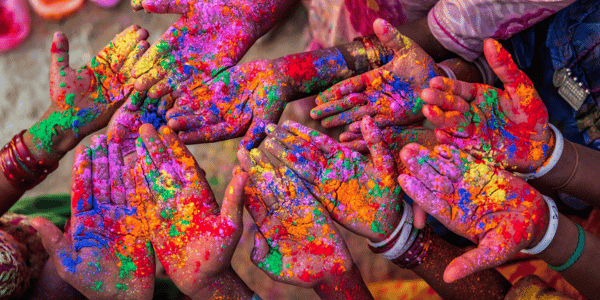
As the hubbub of winter fades away, the celebration of spring begins. Holi is a Hindu festival of spring and the blooming of life that comes with it.
The Holi holiday is a kaleidoscope of color, energy, and spirit that brings people of all faiths together, but why do we celebrate it? Keep reading to learn more about the Hindu Festival of Colors, Holi.
What Is Holi?
Holi is a global festival that honors the arrival of spring, love, and the triumph of good over evil.
Holi spans two days. The first day features Holika Dahan, or bonfires, to burn away evil. The second day, Rangwali Holi, is a burst of color, music, dancing, and lots of sweet treats to represent the joy of the moment.
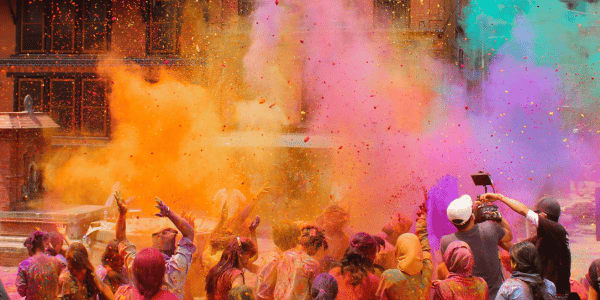
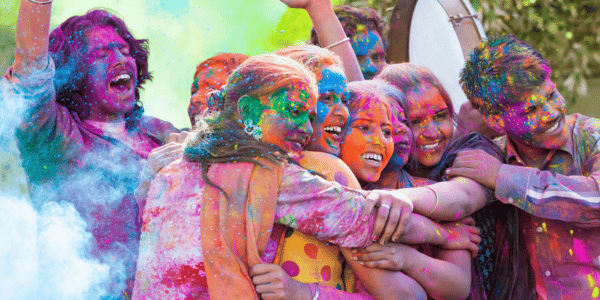
Revelers at Holi celebrations wear white and throw colored powders and water on each other in a spirit of fun. These colors are the most famous part of the Hindu holiday, but it’s the stories behind the festival that make Holi such a sensation.
RELATED: All About the Spring Equinox
The Story Behind Holi
Prahlada & Holika
At the heart of the Holi holiday lies the Hindu legend of the demon king Hiranyakashipu, who demanded that the world worship him and him alone. He became furious when his son, Prahlada, remained a steadfast devotee of Lord Vishnu, the Preserver.
To punish his son, the king ordered his sister, Holika, to wear a protective cloak and walk into the fire with the boy. Through this ordeal, Prahlada simply closed his eyes and meditated on Vishnu. Good prevailed over evil that day. The cloak flew off Holika and protected Prahlada instead.
The Holi festival commemorates the story of Prahlada and Holika, encouraging people to let go of past grievances and start anew. It’s a reminder that goodness should always prevail over evil, no matter how powerful it is.
Lord Krishna & Radha
Holi is also about the playful love associated with the tale of Lord Krishna and Radha. Indian legend states that Lord Krishna had a blue complexion. He believed that his consort Radha could not love him because of it. He made a game out of smearing different colors on his body to show her his affection. Holi festival-goers reenact the story as part of the Rangwali Holi.
When Is Holi?
Holi is held annually on the Purnima, or the first full moon, of the Hindu month of Phalguna. Holi 2026 begins at sundown on Tuesday, March 3, and ends at sundown on Wednesday, March 4.
Where Is Holi Celebrated?
Holi celebrations have roots in India, but today, cities around the world are painted with color to honor the day. Holi draws millions to participate in the traditions and communal joy.
In India, the most legendary festivities occur in the Braj region. They can last over a week and lead to massive gatherings in the ancient temples. In Nepal, the festival is a national event known as Fagu Purnima. There are also well-known Festivals of Color in Utah, London, and Berlin.
Why Do We Throw Colors on Holi?
The act of throwing colors transcends the ancient Holi stories. Today, it represents radical equality. With everyone covered in vibrant colors, the outward markers of race, social status, and age disappear.
The Holi colors also symbolize the shift from the cold of winter to the warmth of spring. As spring blooms, it fills the world with the same vivid colors.
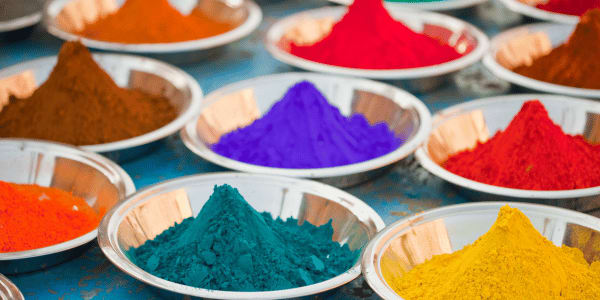
Significance of Colors in Holi
- Red: Love, passion
- Yellow: Happiness healing
- Green: Nature, new beginnings
- Blue: Sky, serenity
- Pink: Joy, youthfulness
- Orange: Forgiveness, strength
- Purple: Power mysticism
At one time, the people of India believed that the Holi colors had medicinal purposes, too. Made from neem, turmeric, and bilva, they’re supposed to help cleanse the skin and protect the body as the seasons change. The modern Holi festival is both a social and spiritual adventure, but the medicinal aspect isn’t part of the fun for most.
7 Ways to Celebrate Holi
Holi is about more than just color. It’s full of iconic customs that you can do as part of a large public festival or at home in your backyard with friends and family. Here are tips and ideas for celebrating Holi:
1. Dress for the Mess
The gold standard garb for Holi celebrations is crisp, white clothes, representing a blank canvas. It’s the best way to showcase the vibrant color you’ll be wearing when it is all said and done. Remember, there’s no going back after the color powders fly. Wear something you don’t mind messing up
2. Use Organic Colors
Holi is also a nod to ancient medicine, so keep the color powders all natural. You can buy organic gulal (colors) or make your own from flower extracts, beetroot, and cornstarch.
3. Protect Yourself
Another tradition of Holi is to cover the skin and hair with coconut or almond oil. The goal is to create a protective barrier, as the colors are stains that may stick with you for a while.
RELATED: A Complete Guide to Cooking Oils
4. Get Yourself a Pichkari
A pichkari is a water weapon. It may be a traditional water gun or water balloons. Plan ahead, and arm yourself with plenty of water so you can reload easily, too.
5. Savor the Sweetness
Sharing sweets is a critical part of this festival. The traditional food of Holi is Gujiya, a sweet, crescent-shaped dumpling filled with khoya (milk solids), nuts, and cardamom.
6. Cool Down with Thandai
Thandai is also part of the Holi festival. This chilled drink is a fusion of full-fat milk, sugar almonds, fennel seeds, rose petals, and saffron. It serves as a cool refreshment at the height of the celebration. Like Gujiya, thandai can be made at home.
7. Practice Abeeri
Abeeri is a way to show respect and foster reconciliation. Simply walk up to someone you need to forgive, need forgiveness from, or respect, like an elder, and gently apply color to their cheeks. Abeeri symbolizes a fresh start, which is what Holi is all about. It is the welcoming of regrowth as spring starts to bloom with color.
The Takeaway
Holi is a beautiful opportunity to enjoy light and color and welcome spring while saying goodbye to winter. The world is a better place when it’s filled with color—happy Holi to you!
Looking to have more spring fun? Unlock the secrets behind Mardi Gras now!