A Beginner's Guide to Roofing Materials
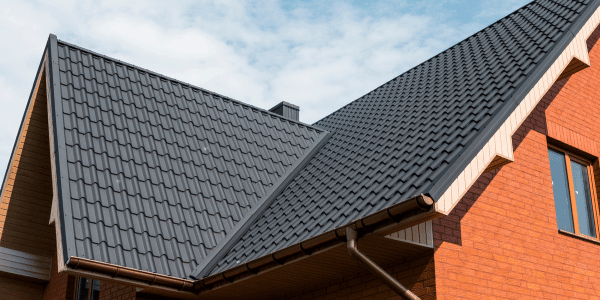
Your roof is one of the most important parts of your home, but it's not on most homeowners' minds until it's time for repairs or replacement.
Whether you're building a new home or planning a renovation, choosing the right roof might be more than you bargained for. Roofing materials have different benefits, costs, and lifespans. Follow along to learn roofing basics and make a more informed decision for your roofing needs.
Types of Roofing Materials
At one point in history, homeowners didn't have much to choose from for their residential roofing needs due to regional resources and manufacturing availability. Today, roofing is a multi-billion-dollar industry, and homeowners can choose from a range of roof types that offer unique advantages, whether they're prioritizing durability, energy efficiency, curb appeal, or weather resistance.
Read More: 10 Easy Ways to Instantly Improve Your Home's Curb Appeal
Asphalt Roofing
Used in roughly 80% of residential roofing projects in the U.S., asphalt shingles are the most common type of roof. Easy to install and affordable, asphalt options come in many colors and styles. Once up, these roofs are designed to last for decades and withstand strong wind, rain, snow, and more.
Metal Roofing
In recent years, metal roofing has become increasingly popular among homeowners looking for long-lasting solutions. Metal roofing benefits include:
- Durability and resistance to extreme weather
- Ability to shed snow and ice, reducing the risk of accumulation
- Resistance to fire and wind
Coming in a variety of styles, metal roofs can often last 40 to 70 years with proper maintenance.
Slate Roofing
Slate roofing is made from natural metamorphic rock. Its construction offers numerous benefits to homeowners, including:
- Excellent durability, with many slate roofs lasting 75 to 100 years or longer
- Long-lasting performance against harsh weather
- A natural beauty that enhances curb appeal
With all these positives, slate roofs are among the most expensive roofing options and often require specialized installation.
Tile Roofing
Tile roofing is a classic choice often associated with Mediterranean, Spanish, and Southwestern architectural styles. Available in clay or concrete varieties, tile offers a distinctive look that's both elegant and timeless. Tile roofs are:
- Highly durable
- Suitable for hot climates
- Resistant to fire, insects, and rot
Many tile roofs last at least 50 years when properly maintained.
Impact-Resistant Shingles
Made with materials like rubber and asphalt, impact-resistant roof shingles can withstand severe weather conditions, including hail and strong winds. For homeowners living in areas prone to storms, they provide added peace of mind. Some insurance providers may even offer discounts for homes equipped with impact-resistant roofing products.
Solar Roofing
Solar panels and solar shingles, one of the best new roofing material options, have become increasingly attractive to homeowners looking for ways to reduce energy costs and improve sustainability. Solar panels are mounted on top of an existing roof, while singles operate as the actual roofing system. Either option can help generate renewable energy and potentially lower monthly utility bills.
Additional Roofing Parts
Your roof is much more than just shingles, tiles, or panels. Several supporting components work together to protect and improve the functionality of your home.
Gutters
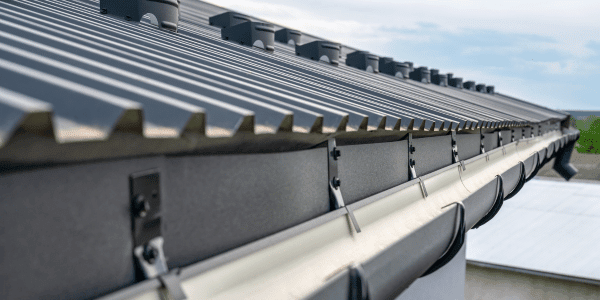
Gutters play a critical role in directing rainwater away from your home's foundation, siding, and landscaping. Without properly functioning gutters, water can accumulate around the home and contribute to costly issues like foundation damage. Having a regular gutter maintenance schedule helps prevent clogs caused by leaves, twigs, and debris.
Learn More: Gutter Maintenance Dos & Don'ts
Fascia, Soffits, and Drip Edges
These components help protect vulnerable areas of a roof while facilitating ventilation and managing moisture:
- Fascia boards run along the roof's edge and often support the gutter system.
- Soffits cover the underside of roof overhangs and help ventilate attic spaces.
- Drip edges are metal flashing pieces installed along roof edges to direct water away from the home's structure.
Skylights and Chimneys
Features like skylights and chimneys add beauty and efficiency to a home. Skylights act like roof windows, creating openings for natural illumination during the daytime and beautiful views of the night sky, while chimneys ventilate homes.
Both are prone to cracks and leaks and should be inspected regularly to ensure they're functioning properly.
Flashing
Flashing is a necessary yet often overlooked roofing component. Typically made from metal, flashing is installed around roof penetrations, valleys, chimneys, skylights, and other transition points. Its primary purpose is to direct water away from susceptible areas and prevent leaks.
Roof Maintenance 101
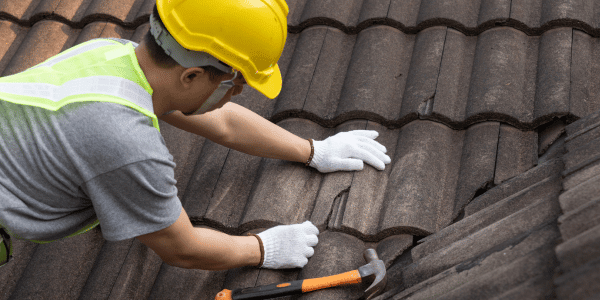
It's best practice to check on your roofing materials at least once a year to ensure your roof's in good condition. To learn how to maintain a roof on your own, read "Roof Maintenance: Dos and Don'ts" for the best tips and tricks!
Frequently Asked Questions
What are the top five roofing materials?
The top five roofing materials are generally thought to be asphalt shingles, metal roofing, clay/concrete tiles, slate, and wood shakes/shingles.
What are the types of roof materials?
Metal roofing, steel roofing, solar panels, asphalt shingles, rubber and tile slates, and clay and concrete tiles are just some of the many different types of roof materials.
What ruins asphalt shingles?
Severe weather events, improper ventilation, and neglected maintenance can all damage asphalt shingles. When the shingles degrade, homeowners can face challenges like leaking and cracking.
What is the best material to use for roofing?
The best material for roofing is different for everyone, but for many homeowners, asphalt shingles are a good and affordable option.