The Homeowner’s Guide to Thunderstorm Safety
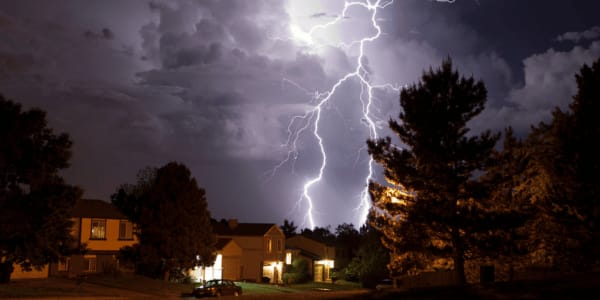
When warmer weather rolls in, so does the risk of sudden and severe thunderstorms. Understanding the atmospheric triggers behind these terrifying weather events and their potential hazards—lightning, heavy rain, and high winds—is the first step to preparing for them. It’s essential to have a plan in place and take protective measures so you can focus on your family's safety when the storm hits. Read on to learn how to prepare for a thunderstorm.
What is a Thunderstorm?
At the most basic level, a thunderstorm is what occurs when warm, moist air moves upward rapidly. According to the National Weather Service, a key characteristic of thunderstorms is lightning, which endangers both your family and your home. In the United States, an average of 80 people die from a lightning strike each year.
Why are thunderstorms so dangerous?
- Lightning can strike miles away from the storm center
- Tornadoes can wipe out entire neighborhoods
- Strong, potentially gale-force winds can take down trees and power lines
- Hail can damage roofs, siding, and vehicles
- Flash flooding can appear in minutes
Thunderstorm Watch vs. Thunderstorm Warning
Meteorologists use specific language to help you understand the level of action you need to take during a thunderstorm. You might receive a thunderstorm watch or thunderstorm warning notification through your smartphone’s emergency alert system, your local news station, or a weather app.
Thunderstorm Watch
A thunderstorm watch means severe storms may be moving through your area. It’s a signal to watch for changes in the weather, stay alert, and be ready to act.
Thunderstorm Warning
A thunderstorm warning is a more serious alert. It indicates that severe weather is imminent. It’s a sign to take shelter immediately in a sturdy building and stay away from windows and doors.

How to Prepare Your Home for a Thunderstorm
Good home maintenance is your first line of defense against the potential damage of a severe thunderstorm. Taking the time to learn how to prepare for a thunderstorm and secure your property before a storm may save you from costly consequences. Consider these thunderstorm safety precautions for your home and property:
1. Inspect and Maintain Your Roof
The roof is arguably the most vulnerable part of any home during a thunderstorm. Check for loose or missing shingles and ensure the flashing around chimneys and vents is secure to prevent water damage during heavy downpours.
2. Clear Your Gutters
Clean out any leaves and debris from your gutters and downspouts. This will ensure water flows away from the foundation.
3. Trim Trees
During high winds, dead tree branches become projectiles. Walk through your property and inspect your trees for loose or dead limbs, especially overhanging the roof or power lines. If necessary, call in a professional trimmer to remove anything that might be a problem.
4. Secure Outdoor Furniture
Unsecured outdoor furniture, potted plants, and decor can potentially become airborne during high winds. Have a secure place in mind to move outdoor items during a thunderstorm watch.
5. Install Surge Protectors Throughout the House
Lightning strikes can cause power surges that will fry expensive electronics. Protect your appliances, TVs, and computers with high-quality surge protectors or consider a whole-house surge protection system.
6. Check the Sump Pump
If your basement has a sump pump, test it regularly to confirm it’s working properly. You might also consider a backup power source for the pump in case of an outage. That way, the sump pump keeps things dry even if the lights go out.

Thunderstorm Safety Tips
What you do during a thunderstorm can be the difference between keeping your home and family safe and a catastrophe. Consider these tips to stay safe during a storm:
- Stay Indoors: It may seem simple, but some people walk around outside to check on things during a storm. Inside a stable building is the safest place you can be. Don’t rely on patio covers, sheds, or carports to keep you secure. Only take shelter in a building with a foundation. Mobile homes and trailers are not secured to the ground and can lift in high winds.
- Avoid Water: A lightning strike can travel through the plumbing. Don’t take a shower or bath during a lightning storm. Also, it's not a good time to do the dishes or anything else that involves your hands in water.
- Unplug Electronics: If you don’t have surge protectors, unplug computers and TVs to help protect them.
- Stay Off Corded Phones: Stay off corded landlines until the storm passes. These phones can conduct electricity if struck by lightning.
Stay safely indoors for at least 30 minutes after things quiet down. Start counting once you hear the last thunderclap.
The Takeaway
Thunderstorms are a dangerous force of nature, but understanding how to protect yourself and your property can keep you safe. Pay attention to watches and warnings and respond appropriately.
To learn more about how to protect your home from one of the most severe wind events, read our guide to tornado preparedness.

Thunderstorm FAQs
Can you shower during a thunderstorm?
No, it’s not recommended that you shower during a thunderstorm. Lightning can strike and travel through metal or plastic pipes. Because water is an excellent conductor of electricity, being in a shower or bath during a strike puts you at risk of electrical shock.
What is an isolated thunderstorm?
An isolated thunderstorm is a single storm cell that develops independently of a larger storm system or front, which is a massive, organized line of storms. An organized storm front can stretch for hundreds of miles, while an isolated storm appears in a small area and dissipates quickly. A meteorologist might refer to an isolated storm as a pop-up or pulse storm, and there may be no official warning of the sudden storm.
Is it safe to drive in a thunderstorm?
It’s always best to be in a stable building with a secure foundation during a thunderstorm. However, being in a car is safer than being outside in the open. While a car’s metal frame protects against lightning strikes, you risk hydroplaning and losing control of your car when you drive during a storm.
What is the 30-30 rule for thunderstorms?
This is a way to gauge the risk of lightning. If you see lightning, count the seconds until you hear the thunder. If the sound occurs in 30 seconds or less, the storm is within 6 miles of your position, and you should seek shelter. Then, wait at least 30 minutes before going outdoors to ensure the storm has passed.